





Your first price shapes everything that follows: showings, offers and what you walk away with.
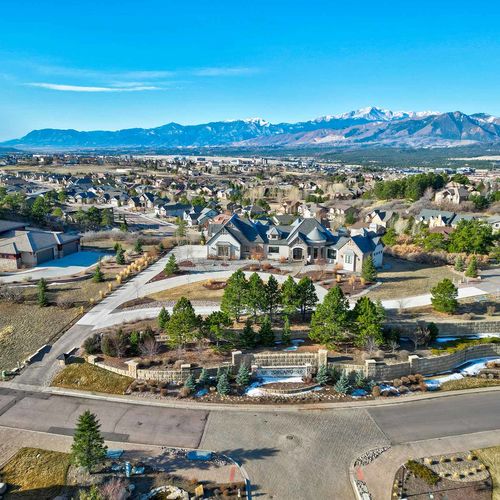
The short answer: Price your home for the market you're actually in, based on recent closed sales, what's active and pending right now, and what makes your home different. A home priced right from day one gets the most attention in its first two to three weeks, while one priced too high often sits, takes a cut and sells for less than it could have. In Northern Colorado Springs, Monument and Black Forest, views, lot position, acreage and nearby new construction make pricing more nuanced than an online estimate can capture.
By Brennan Wolff, Broker, Realtor®
Of all the decisions you'll make when you sell, the list price matters most. It decides whether buyers schedule a showing or scroll past. It shapes the offers you get. And it determines whether you sell on your terms or end up chasing the market with price cuts.
I'm a certified Pricing Strategy Advisor, and here's how I approach it.
Why does the first price matter so much?
A new listing gets its biggest wave of attention in the first few weeks. Buyers who've been watching the market see it right away, and their agents send it out. If the price is right, that early interest turns into showings and offers.
If the price is too high, those buyers wait. The listing ages, and buyers start to wonder what's wrong with it. When the price finally comes down, it's no longer fresh, and buyers can see the price history. Overpriced homes often end up selling for less than they would have if they'd been priced right from the start.
Why isn't an online estimate enough?
Online estimates are a reasonable starting point, but they work from public records and past sales. They can't see:
- The condition of your home and the updates you've made
- Your view, your lot or what your home backs to
- How your home compares with what's for sale right now
- What recent sales included in seller credits or concessions
In neighborhoods where homes vary a lot, those blind spots can add up quickly. This post on why similar homes sell for different prices goes deeper.
What goes into the right price?
When I price a home, I look at more than a list of comparable sales.
- Recent closed sales. The most recent ones nearby, adjusted for differences in size, condition, lot and features.
- What's for sale right now. These are the homes buyers will compare yours with this week.
- What's pending. Homes under contract show where buyers are actually landing.
- What didn't sell. Expired and withdrawn listings show where buyers said no.
- The terms behind the numbers. A sale with a big seller credit isn't the same as one without.
- What makes your home different. Views, lot position, updates and layout all count.
What makes pricing harder on the north end?
This isn't a cookie-cutter market.
- Custom and semi-custom homes vary widely in finishes and floor plans, so true comparables can be scarce.
- Views and lot position can change value more than square footage, especially in places like Flying Horse.
- Acreage in Black Forest and rural Monument depends on tree cover, usable land, outbuildings and the well permit, not just the number of acres.
- New construction nearby often competes with resale homes on monthly payment, not just price. This post on builder incentives explains how buyers compare the two.
Should you price to match buyer searches?
It helps. Buyers search in price ranges, so a home listed just above a common cutoff can miss a whole group of buyers. Listing within the range where your likely buyers are searching, rather than just over it, can widen your audience without changing much on the bottom line.
What if the home doesn't sell right away?
Treat the first two to three weeks as feedback. If showings are steady but offers aren't coming, the market may be saying something about price or condition. If showings are slow, it may be price or presentation. Make one well-reasoned adjustment rather than a string of small cuts, which can invite lower offers.
Frequently asked questions
Should I price high and leave room to negotiate? Usually not. Buyers compare your home with others for sale, and an overpriced listing often gets fewer showings, not better offers.
How accurate are online home value estimates? They can be useful starting points, but they can't see condition, views or lot position, so they often miss in neighborhoods where homes vary.
How long should I wait before reducing my price? Watch the first two to three weeks of showings and feedback. If the market is telling you something, adjust once, with a reason.
Does the season affect pricing? It affects how many buyers are looking. Pricing should reflect the market at the time you list, not the one from last spring.
Want to know where your home should be priced?
I'd be happy to walk your home with you and put together a pricing plan based on what's happening in your neighborhood right now. Request a home valuation, read the Seller's Guide, or reach out to me directly.
Check out this article next