





Your hail deductible may be a percentage of your home's value, not a flat amount.
The short answer: Hail is one of the most common causes of roof damage on the Front Range, and it affects more than your shingles. It shapes your insurance deductible, what your policy pays on an older roof, and what buyers and inspectors ask about when you sell. Know your wind and hail deductible, document your roof's age and any claims, be careful with storm-chasing contractors, and consider an impact-resistant roof when it's time to replace.
By Brennan Wolff, Broker, Realtor®
If you've lived on the north end for more than a summer, you've probably heard hail on the roof. The Front Range sits in what's often called "hail alley," and storms here can roll through fast on spring and summer afternoons.
Most homeowners only think about hail when it happens. But it matters every time you renew your insurance, and it comes up almost every time a home sells. Here's what to know.
How do you know if hail damaged your roof?
Hail damage isn't always visible from the ground. Common signs include:
- Dents in gutters, downspouts, vents or window screens
- Shingle granules collecting in gutters or at the bottom of downspouts
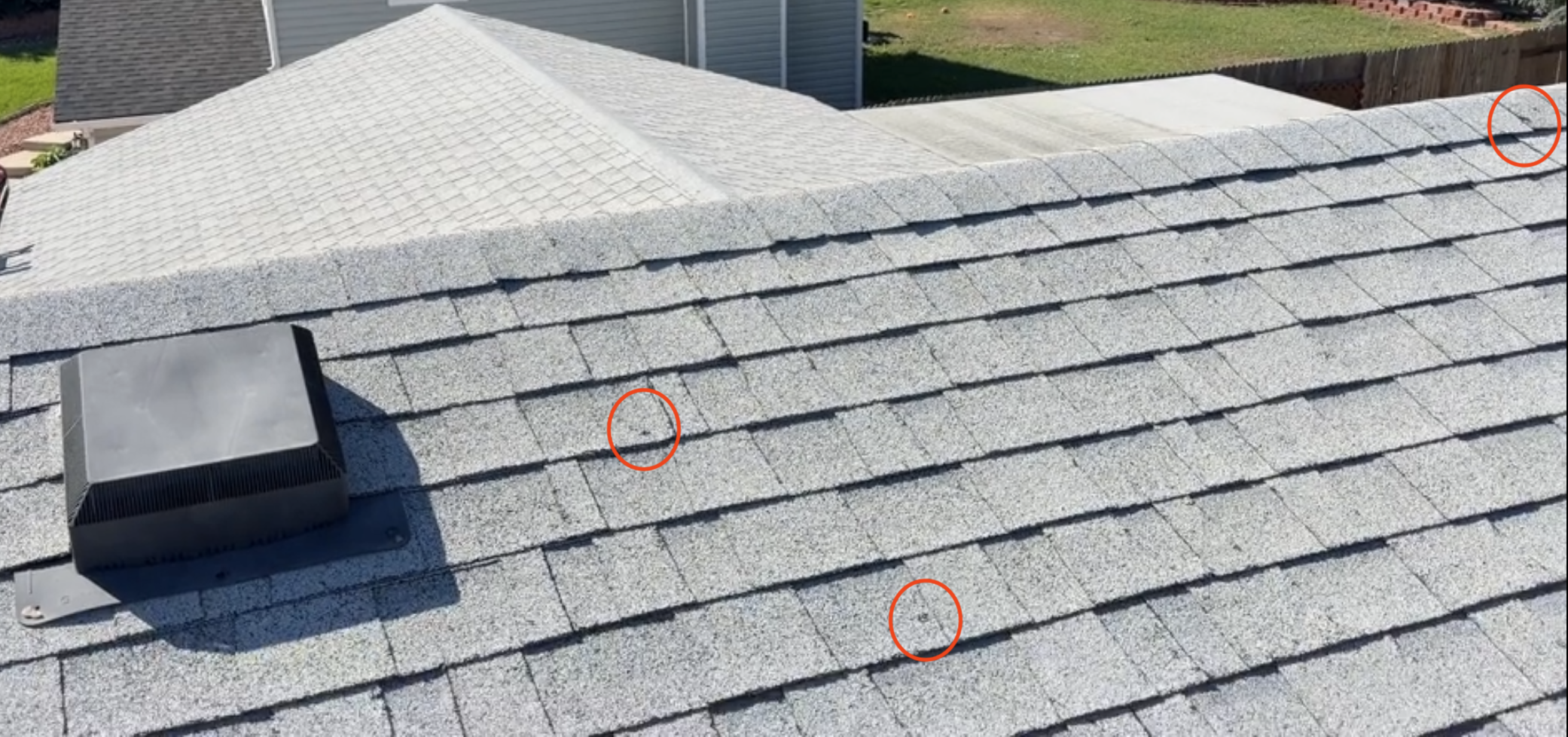
- Dark spots or bruises on shingles where granules were knocked off
- Cracked or split shingles, or damaged tile or metal
If you see signs on the ground, have a reputable roofer or your insurer's adjuster inspect the roof. Stay off the roof yourself.
How does a hail claim work in Colorado?
According to the Colorado Division of Insurance:
- Many policies have a separate wind and hail deductible, often a percentage of your home's coverage, such as 1%, 2% or 5%, rather than a flat dollar amount. On a home insured for $600,000, a 2% deductible is $12,000.
- If the damage is less than your deductible, the insurer won't issue a payment.
- Contact your insurer or agent as soon as you can to start a claim.
- Public adjusters must be licensed by the Division and often charge a percentage of the claim. You aren't required to hire one.
Check your policy declarations page now, before the next storm, so you know your deductible and whether your roof is covered at replacement cost or actual cash value. Some policies pay less on older roofs.
How do you avoid storm-chasing contractors?
After a big storm, door-to-door roofers show up quickly. The Division of Insurance recommends caution with contractors who approach you uninvited. A few habits help:
- Check references and reviews, and favor established local contractors.
- Get everything in writing, including scope, materials and price.
- Read contracts carefully before you sign, especially anything that lets a contractor deal with your insurer on your behalf.
- Be wary of anyone who offers to "cover" or waive your deductible. Your deductible is your responsibility.
Are impact-resistant roofs worth it?
Often, yes, especially here. Impact-resistant shingles rated Class 4 are designed to stand up better to hail. When your roof needs replacing, ask your insurer whether they offer a premium discount or deductible savings for an impact-resistant roof, as the Division of Insurance suggests. Colorado's Strengthen Colorado Homes program, created in 2026, is also set up to fund grants for home-hardening improvements like roofs, with grants expected to start in 2027.
How does hail affect selling a home?
The roof is one of the first things buyers, inspectors and insurers look at here.
- Roof age matters. An older roof can make a home harder for a buyer to insure, and it often comes up in inspection negotiations.
- Past claims show up. Insurers can see a property's claim history, and the Colorado seller's disclosure asks about the roof. Be upfront.
- Repairs should be finished and documented. If you received a claim payment, buyers will want to know the work was done. Keep the invoice and any warranty.
- A newer roof is a selling point. If you replaced your roof after a storm, especially with impact-resistant materials, say so in your listing.
If you're planning to sell and your roof is older or has visible damage, it's worth having it looked at before you list. The Seller's Guide covers pre-listing prep, and this post on common inspection issues explains how roof items usually get negotiated.
What should buyers ask about the roof?
- How old is it, and what material is it?
- Have there been any insurance claims, and was the work completed?
- Is there a transferable warranty?
- Does your insurer have any concerns about the roof's age or condition?
Get an insurance quote early in your inspection period, since roof age can affect both price and coverage.
Frequently asked questions
When is hail season in Colorado Springs? Most hail falls in late spring and summer, often in afternoon thunderstorms.
What is a wind and hail deductible? A separate deductible for wind and hail damage, often a percentage of your home's insured value rather than a flat amount.
Do I have to disclose a hail claim when I sell? Colorado's seller disclosure asks about the roof and its condition, and buyers can usually learn about past claims. Being upfront is the best approach.
Will an impact-resistant roof lower my insurance? It may. Ask your insurer what discounts or deductible savings they offer.
Questions about your roof before you sell?
I'm happy to take a look at your home with you and talk through what's worth doing before you list. Reach out to me directly or request a home valuation.
This post shares general information, not insurance or legal advice. Review your policy with a licensed agent and consult a qualified roofing contractor for repairs.
Sources: Colorado Division of Insurance, consumer advisory after hail · The Colorado Sun, insurance regulations
Check out this article next