





Winterizing in Black Forest: Your well, septic and driveway need attention before the first big storm.
The short answer: Winterizing a Black Forest home starts with the systems the city would handle for you anywhere else: your well, your septic and your driveway. Protect the well and pressure tank from freezing, keep the septic system warm and working, blow out irrigation lines, clean pine needles out of the gutters, and have a plan for snow, wind and power outages before the first big storm. Most of it can be done in a weekend.
By Brennan Wolff, Broker, Realtor®
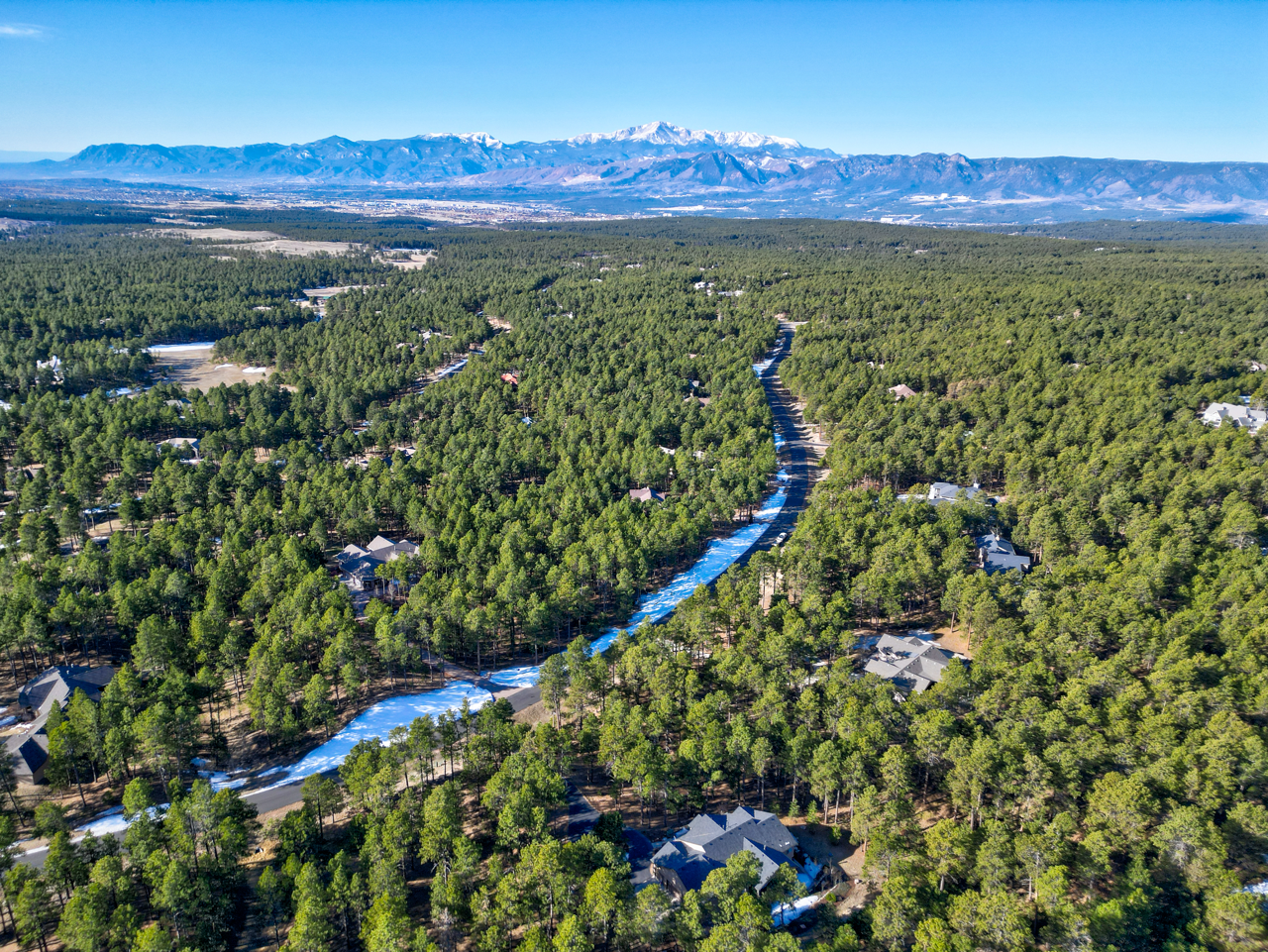
I grew up between Monument and Black Forest, and winter out here has its own rules. Black Forest sits roughly 7,200 to 7,700 feet up, about a thousand feet higher than downtown Colorado Springs. It usually gets more snow, colder nights and a wind that can drift a driveway shut by morning.
Most Black Forest homes also run on a private well and septic system. That's part of what makes living here feel independent, but it means a few winter jobs fall on you. Here's the checklist I'd hand a friend who just moved out here.
How do you keep a well from freezing in Black Forest?
The well itself is deep enough that it rarely freezes. The trouble spots are the parts closer to the surface and the cold.
- Know where your pressure tank lives. If it's in a garage, crawl space or well house, make sure that space stays above freezing. A small thermostatically controlled heater or heat tape rated for the job can save a cold-weather emergency.
- Insulate exposed pipes. Any water line that runs along an exterior wall, through a crawl space or into an unheated room needs foam sleeves or heat tape.
- Drain and shut off outdoor spigots. Disconnect hoses and drain frost-free hydrants so water can't sit in the line.
- Find your main shutoff now. If a pipe bursts at 2 a.m., you want to know exactly where to turn the water off and where the well pump breaker is.
How do you keep a septic system from freezing?
A septic system depends on warm water and steady use to keep working through the cold. Most winter septic problems come down to two things: compacted soil and long stretches without use. The National Environmental Health Association recommends:
- Leave the snow alone over your tank and leach field. Snow insulates. Don't shovel it, plow it or pile it there, and keep vehicles and livestock off that area all year.
- Fix leaky fixtures. A slow drip from a toilet or faucet sends a thin stream of water into the line that can freeze over time.
- Spread out your water use. Steady, normal use keeps warm water moving. If you'll be away for more than a week, keep the heat on and ask someone to run warm water periodically.
- Check risers and covers. Make sure lids and inspection pipes are capped and intact so cold air can't get in.
If your system is new, has frozen before or is a mound system, ask a septic professional whether extra insulation over the tank makes sense. Never use antifreeze or additives in the system.
What should you do outside before the first big snow?
- Blow out your irrigation system. Sprinkler lines and backflow preventers crack when water freezes inside them. Ideally this happens before the first hard freeze. If it hasn't been done yet, schedule it now.
- Clean the gutters, twice. Ponderosa pines drop needles well into fall. Clogged gutters cause ice dams, and dry needles on the roof are also a wildfire concern.
- Mark the driveway edges. Reflective stakes along a long gravel driveway keep plows and delivery drivers out of the ditch, and out of your septic field.
- Know who plows your road. Many Black Forest roads are private or maintained by a road association. Find out who handles plowing and how quickly, before you need to get out after a storm.
- Check heavy limbs near the house. Wet spring snow can snap pine branches. Have any large limbs over the roof, driveway or power line looked at before winter.
How do you prepare for winter power outages in Black Forest?
When the power goes out on a well system, your water goes with it, because the pump runs on electricity. That surprises a lot of people who move out from town.
- Keep water on hand. A few gallons of drinking water and a way to flush toilets will get you through a short outage.
- Consider a generator. A properly installed generator with a transfer switch can run the well pump, furnace and refrigerator. Have an electrician size and install it. Never run a generator in a garage.
- Service the heat. Have the furnace or boiler serviced, and if you heat with propane, check your tank level and delivery schedule before the cold sets in.
- Have the chimney swept. If you use a wood stove or fireplace, an annual sweep and inspection reduces chimney fire risk.
Does winterizing matter if you're planning to sell?
Yes. A home that came through winter well is easier to sell in spring. Burst pipes, a frozen septic line or ice damage show up in inspections, and buyers here ask about well and septic history.
Keep receipts and records for the work you do this fall: furnace service, septic pumping, chimney sweeps and any tree work. Those records take a lot of air out of inspection negotiations later. If you're thinking about listing, the Seller's Guide walks through what Black Forest buyers look for, and the Market Update shows what's selling now.
Black Forest winter checklist
- Protect the pressure tank and insulate exposed pipes
- Drain outdoor spigots and frost-free hydrants
- Blow out the irrigation system
- Leave snow undisturbed over the septic tank and leach field
- Fix leaky fixtures and check septic risers and lids
- Clean gutters after the needles drop
- Mark driveway edges and confirm who plows your road
- Service the furnace, check propane, sweep the chimney
- Plan for outages: water on hand, generator if needed
- Save receipts and records for every winter task
Frequently asked questions
When should you winterize a home in Black Forest? Early fall is ideal, because Black Forest often sees its first hard freeze and snow before town does. If you're late, start with the irrigation blowout and outdoor spigots, since those fail first.
Can a septic system freeze in Colorado? Yes, though it's not common in a system that's used regularly and has good snow cover. Compacted snow, long absences and leaky fixtures are the usual causes.
What happens to my well when the power goes out? The pump stops, so you'll only have the water already in your pressure tank. A generator with a transfer switch keeps it running.
Do I need to winterize a home I'm leaving for the season? Yes, and more thoroughly. Talk with a plumber about draining the lines or keeping the heat on, and ask a septic professional whether to pump the tank before you leave.
Thinking about life on acreage?
If you're weighing a move to Black Forest, or wondering what your property is worth heading into spring, I'm happy to talk it through. Explore the Black Forest area guide, read the Buyer's Guide, or reach out to me directly.
This post shares general information. For specific repairs, consult a licensed plumber, septic professional or electrician.
Sources: NEHA, Winter Weather Guidance for Septic Systems
Check out this article next