





Zoning, covenants and water decide whether a split is possible.
The short answer: In unincorporated El Paso County, dividing a parcel into four or fewer lots usually goes through the county's minor subdivision process. It starts with an Early Assistance meeting, moves through county and agency review, and ends with a Planning Commission recommendation and a final decision by the Board of County Commissioners. The county says to expect roughly 90 to 120 days from submittal. Zoning, water supply, septic suitability and road access decide whether a split is possible in the first place.
By Brennan Wolff, Broker, Realtor®
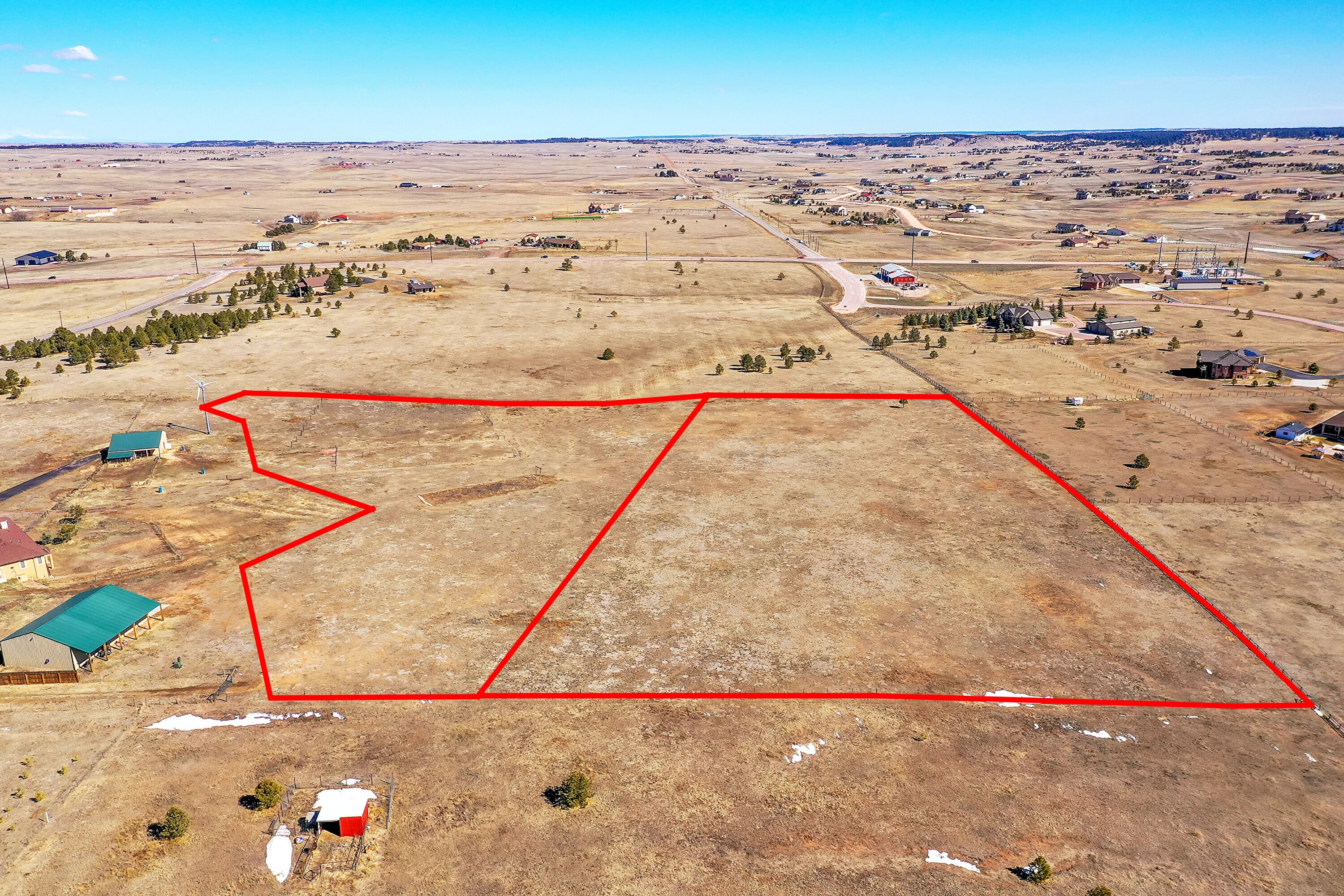
This is a question I get from a lot of acreage owners in Black Forest and rural Monument, and it's one I can answer from experience. My family split our own 15- and 10-acre parcels in the Northgate area into individual 5-acre homesites, and we've taken land projects for ourselves and our clients through the El Paso County Planning Commission and the Board of County Commissioners.
Every parcel is different, but the process follows the same basic path. Here's how it works.
Can you split your land at all?
Start here, because the answer depends on a few things you can check before spending any money.
- Zoning. Your zone district sets the minimum lot size. For example, a parcel zoned RR-5 (Rural Residential) generally requires at least 5 acres per lot, so a 10-acre RR-5 parcel could potentially become two lots, not three. Getting smaller lots would require a rezoning.
- Covenants. Many Black Forest and Monument subdivisions have recorded covenants that prohibit further splits, even when zoning would allow them. Read yours first.
- Water. Every new lot needs a legal, long-term water supply. In much of northern El Paso County, that means groundwater from the Denver Basin aquifers, and the county's water-supply requirements are strict.
- Wastewater. If the lots will use septic systems, the soils need to support them.
- Access. Each lot needs legal, physical access, and the county will look at roads, driveways and fire department access.
What is a minor subdivision in El Paso County?
According to El Paso County Planning and Community Development, a minor subdivision creates four or fewer lots and doesn't require public improvements, like new county roads or drainage structures, or waivers from the county's Land Development Code. If your project needs those, it goes through a larger, more involved subdivision process.
Colorado law also requires that most divisions creating parcels under 35 acres go through a county subdivision process. You can't simply deed off a piece of land.
What are the steps?
- Early Assistance meeting. You submit an application, basic documents and a fee. The county assigns a project manager, planner and engineer, and you talk through zoning, water, wastewater and any red flags.
- Studies and plat. You hire professionals to prepare what the county requires, typically a survey and plat, plus water, soils and drainage reports depending on the property.
- Submittal and review. County staff and outside agencies, such as the fire district and health department, review the application and send comments. You respond and revise.
- Planning Commission. Once issues are resolved, the project goes to a public hearing, where the Planning Commission makes a recommendation.
- Board of County Commissioners. The Board makes the final decision at another public hearing.
- Recording. After approval and any conditions are met, the plat is recorded and the new lots legally exist.
The county describes a typical timeline of 90 to 120 days from submittal to decision, but the studies before submittal and any revisions can add months.
Who do you need on your team?
- A land surveyor to prepare the plat
- An engineer for drainage, roads or soils, depending on the site
- A water professional to document the water supply
- A septic designer or engineer to evaluate soils for new systems
- A real estate broker who understands what the finished lots will be worth, so the numbers make sense before you start
Is subdividing worth it?
Sometimes. Subdividing can unlock value, but it costs money and time. Before you start, compare the expected value of the new lots with the cost of surveys, studies, fees, any required improvements and your time. Also think about how splitting changes the value and setting of the home you keep.
This is where I can help most. I'll give you a realistic read on what the new lots would sell for, so you can decide whether the project pencils out.
Frequently asked questions
How long does it take to subdivide land in El Paso County? The county estimates 90 to 120 days from submittal to a final decision for a minor subdivision. Preparing studies beforehand can add several months.
Can I split a 5-acre lot in Black Forest? Usually not without a rezoning, because much of Black Forest is zoned for 5-acre minimum lots. Covenants may also prohibit it.
Do I need a public hearing? Yes. Minor subdivisions go before both the Planning Commission and the Board of County Commissioners.
What's the hardest part? Often it's water. Proving a long-term water supply for each new lot is one of the biggest hurdles in northern El Paso County.
Thinking about splitting your land?
If you own acreage in Black Forest or around Monument and you're wondering what's possible, I'm happy to walk the property with you and talk through zoning, value and whether the project makes sense. Reach out to me directly or request a valuation.
This post shares general information, not legal or engineering advice. Requirements change and every parcel is different. Confirm current rules with El Paso County Planning and Community Development before starting a project.
Sources: El Paso County Planning and Community Development, What is a minor subdivision?
Check out this article next