





A recent CNBC survey found that buyers' biggest concerns right now cluster around three things: mortgage rates, inventory levels, and home prices. Those are legitimate things to pay attention to. The problem is the narrative around all three is significantly distorted right now — and decisions made on bad information tend to have real consequences.
Here's what's actually happening, and what it means specifically for buyers and sellers in Monument, Black Forest, and Northern Colorado Springs.
Misconception #1: "Rates are about to drop dramatically — I should just wait."
This one is circulating widely, and it's leading some buyers to put real decisions on hold waiting for a rate environment that may not arrive on the timeline they're expecting.
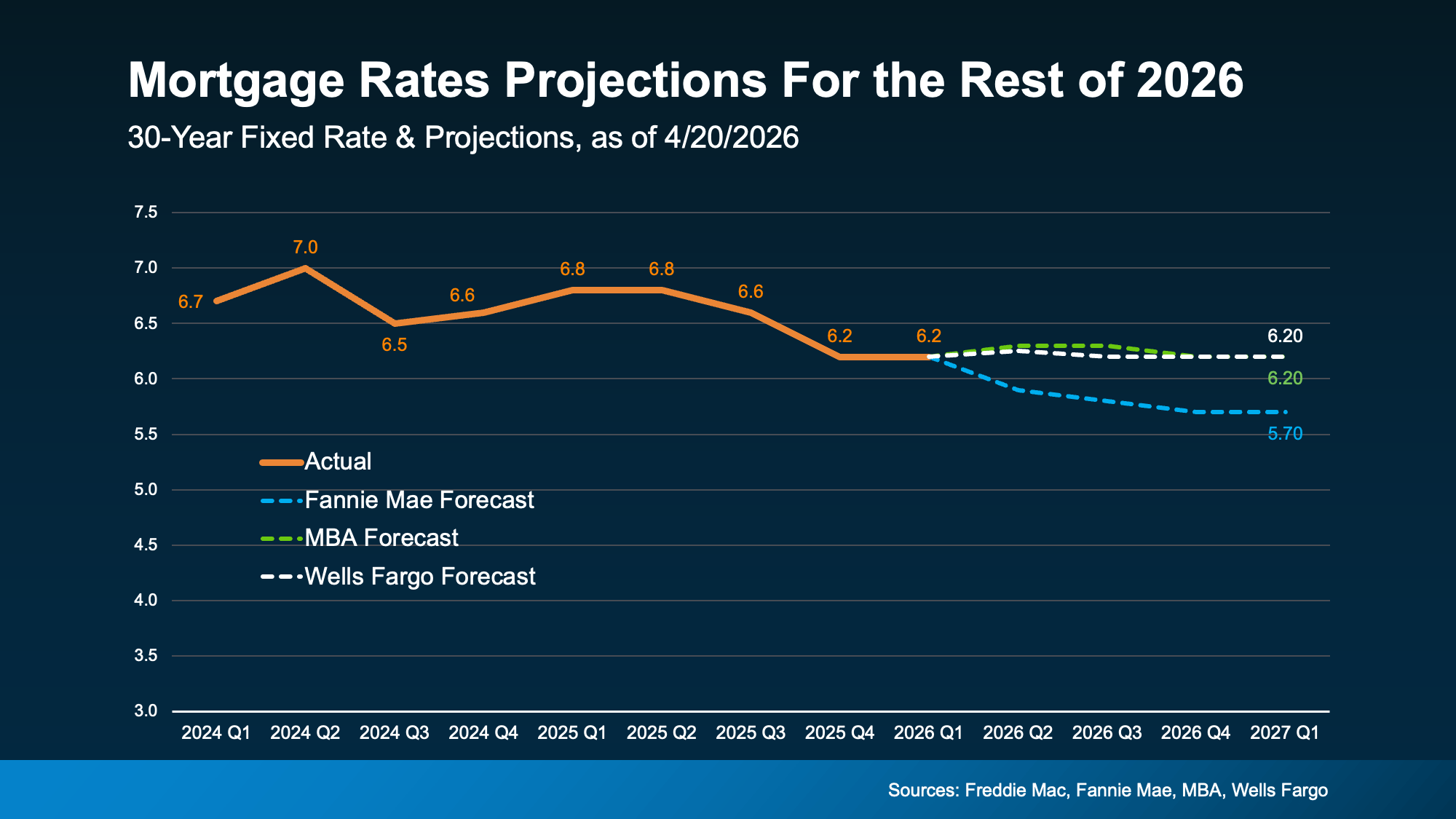
Current forecasts point to rates staying in the low-to-mid 6% range for the foreseeable future. Not a dramatic drop. Not a return to the 3s. As U.S. News noted recently, rates aren't expected to shift significantly over the next several quarters — and that assessment holds even accounting for some economic uncertainty.
Here's the local angle worth sitting with: in a market like ours, where acreage inventory in 80132 and 80908 is structurally limited, waiting on rates is a strategy that carries its own cost. The property you're watching probably isn't waiting with you. And buyers who stayed on the sidelines through 2024 hoping for dramatically lower rates largely found themselves competing for the same limited supply at roughly the same rates — just a year later.
If the right property is available and the numbers work at today's rates, the case for waiting on a significant rate drop is weaker than the headlines suggest.
Misconception #2: "Inventory is way up — it's becoming a buyer's market everywhere."
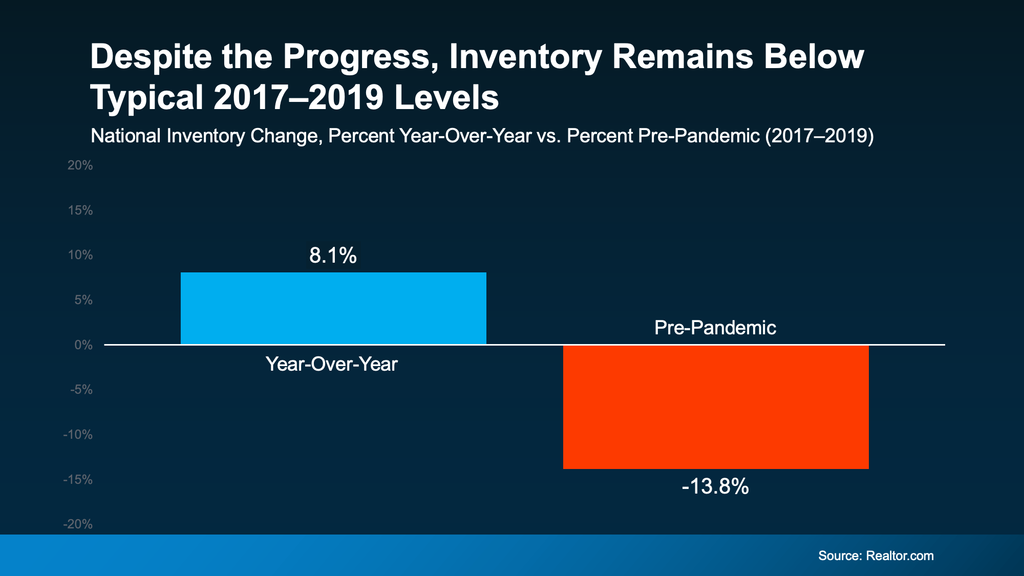
Nationally, active inventory is up about 8% compared to this time last year. That's real. And it's generally a good thing for buyers — more options, less frenzied competition, more room to negotiate.
But the national number is doing a lot of work in a misleading direction. Even with that increase, inventory nationally is still roughly 14% below where it was during the last balanced market (2017–2019). Only 9 states currently have more homes for sale than they did before the pandemic. The supply story is better than 2022 — it's not a flood.
In our specific market, that context matters even more. The 80132 and 80908 zip codes — where most of the acreage, larger lots, and treed properties are concentrated — have not seen a meaningful surge in available inventory. Supply on that property type remains tight by historical standards. Relocation buyers coming to the area through Peterson Space Force Base, Schriever Space Force Base, and Fort Carson continue to generate steady demand that doesn't pause for national headlines.
More inventory than last year? Yes. A buyer's market with unlimited options in this area? Not what the data supports.
Misconception #3: "Home prices are about to crash."
This is the one that spreads fastest, because it sounds dramatic and some markets have seen modest price softening that gets generalized into a national crash narrative. The reality is more nuanced.
Most markets — including ours — are not experiencing price declines. A few things are keeping values stable: a meaningful portion of existing homeowners are holding onto properties rather than giving up low rates they locked in years ago, which constrains how much new supply can come to market. Inventory still sits below pre-pandemic norms nationally. And in markets where prices have softened slightly, sellers are often pulling listings rather than cutting significantly — which further limits supply.
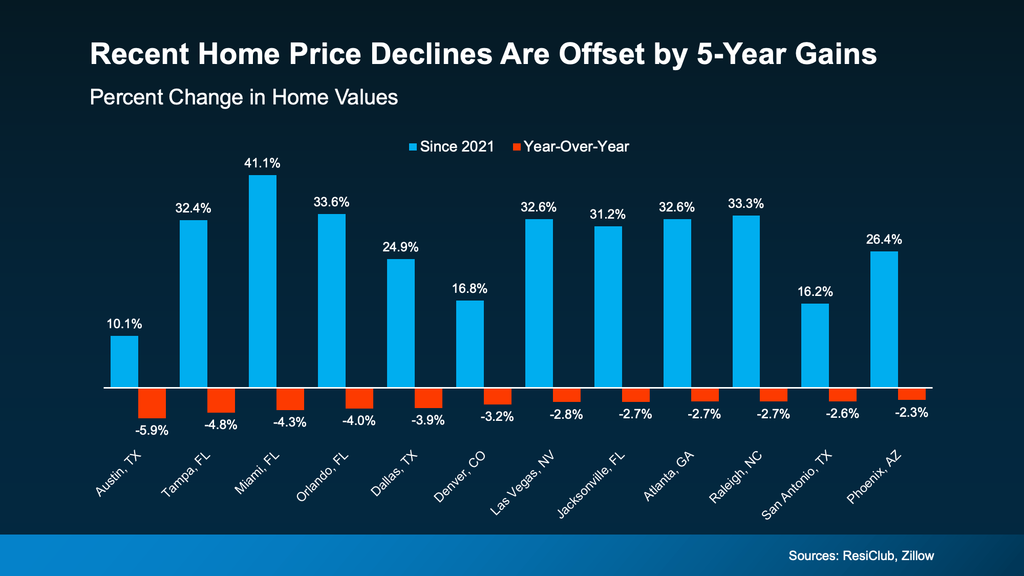
Even in the places that have seen some price moderation, those declines haven't come close to offsetting the substantial equity gains that homeowners accumulated over the past five years. That's not a crash. That's a normal cooling after an unusually sharp run-up.
In Monument, Black Forest, and Northern Colorado Springs specifically, the lifestyle and location factors driving demand here — land, views, trail access, space — are not rate-sensitive in the way that urban condo markets might be. The buyers pursuing these properties tend to be motivated by life circumstances and long-term priorities, not short-term market optimism. That's a meaningful stabilizing factor.
What this means if you're making a decision right now
None of this means the market is without complexity or that every purchase at every price point is a smart move. What it does mean is that the dramatic narratives circulating online — imminent rate crashes, inventory floods, price collapses — are not well-supported by data, and making decisions based on them is risky in its own way.
If you're trying to sort out what's actually happening in 80921, 80132, or 80908, I'm happy to walk through the real numbers with you. That's the conversation worth having before you decide anything.
Brennan Wolff | Wolff Real Estate Group | 80921 · 80132 · 80908
Check out this article next